Thyroid Meds Alone Won't Fix Health If You Fear Weight Gain

Thyroid medication alone often can't restore whole health because low or high TSH is frequently a downstream symptom of deeper imbalances, not the root cause. Patients on the "correct" dose of levothyroxine still struggle with fatigue, mental fog, and stubborn weight because gut health, chemical imbalance, hidden allergens, and adrenal stress were never addressed. At Mind And Body Solutions in Webster, TX, we see this pattern constantly in patients from Houston and the Clear Lake area who were told their labs look fine, yet they feel far from it.
Myth: A Normal Thyroid Lab Result Means You're Optimally Healthy
Reality: "normal" on a lab report reflects a statistical range, not your personal optimal function. The standard TSH reference range is broad, and many people feel unwell at levels that technically fall within it.
The NIH hypothyroidism treatment guidelines acknowledge that a meaningful subset of treated patients continue to report symptoms despite lab values that appear normalized. This is precisely why whole health, meaning the full picture of physical, mental, and metabolic function, can't be judged from one number. A true whole health model looks at thyroid antibodies, cortisol rhythm, inflammatory markers, and nutrient status alongside TSH, because a single data point rarely tells the whole story.
Myth: Fatigue and Mental Fog Are Just Something You Live With on Thyroid Meds
Reality: persistent mental fogginess and fatigue almost always point to something beyond thyroid dosing. When fatigue and mental fog don't improve after medication is optimized, the cause is often an imbalanced neurotransmitter picture, blood sugar swings, or unresolved inflammation.
Many patients ask what is a chemical imbalance, expecting a simple answer, but the honest one is that a chemical imbalance describes disrupted communication between neurotransmitters like serotonin, dopamine, and GABA, often driven by gut inflammation, poor sleep, or chronic stress rather than thyroid hormone alone. Chemical imbalance symptoms, including brain fog, irritability, poor focus, and low motivation, overlap heavily with thyroid symptoms, which is why they get misattributed. Functional medicine testing looks at brain integration, meaning how well the gut, immune system, and nervous system are communicating, to find the actual driver instead of guessing.
Myth: Thyroid Belly Fat Is Purely a Thyroid Problem
Reality: what patients call thyroid upper belly fat or "Hashimoto belly" is usually a combination of hormonal, inflammatory, and metabolic factors working together. Slower metabolism from thyroid dysfunction plays a role, but cortisol excess, insulin resistance, and low-grade infection frequently make it worse.
Research summarized in this thyroid dysfunction and body weight study confirms the relationship between thyroid function and weight is more complex than a simple cause-and-effect. Patients often ask can infection cause weight gain, and the answer is yes: chronic low-grade infections trigger inflammatory cytokines that promote fat storage and worsen insulin resistance, compounding the effect of sluggish thyroid function. This is why medication alone rarely shifts stubborn abdominal weight without addressing the inflammatory drivers underneath it.
Myth: Airborne Allergens and Gut Health Have Nothing to Do With Hormones
Reality: airborne allergens and an imbalanced gut can directly disrupt hormone regulation, including thyroid conversion and cortisol output. Houston's mold and pollen exposure is a real, ongoing trigger for many of our patients.
Chronic exposure to environmental allergens keeps the immune system in a low-grade activated state, which raises inflammatory load and interferes with the conversion of T4 to active T3. Add in gut permeability, food sensitivities, and disrupted microbiome balance, and you have a system working against thyroid hormone rather than with it. A functional medicine workup screens for these hidden triggers specifically because endocrinology visits typically don't.
Myth: Thyroid Medication Is All You Need, Ozone Therapy and EBOO Are Unnecessary Extras
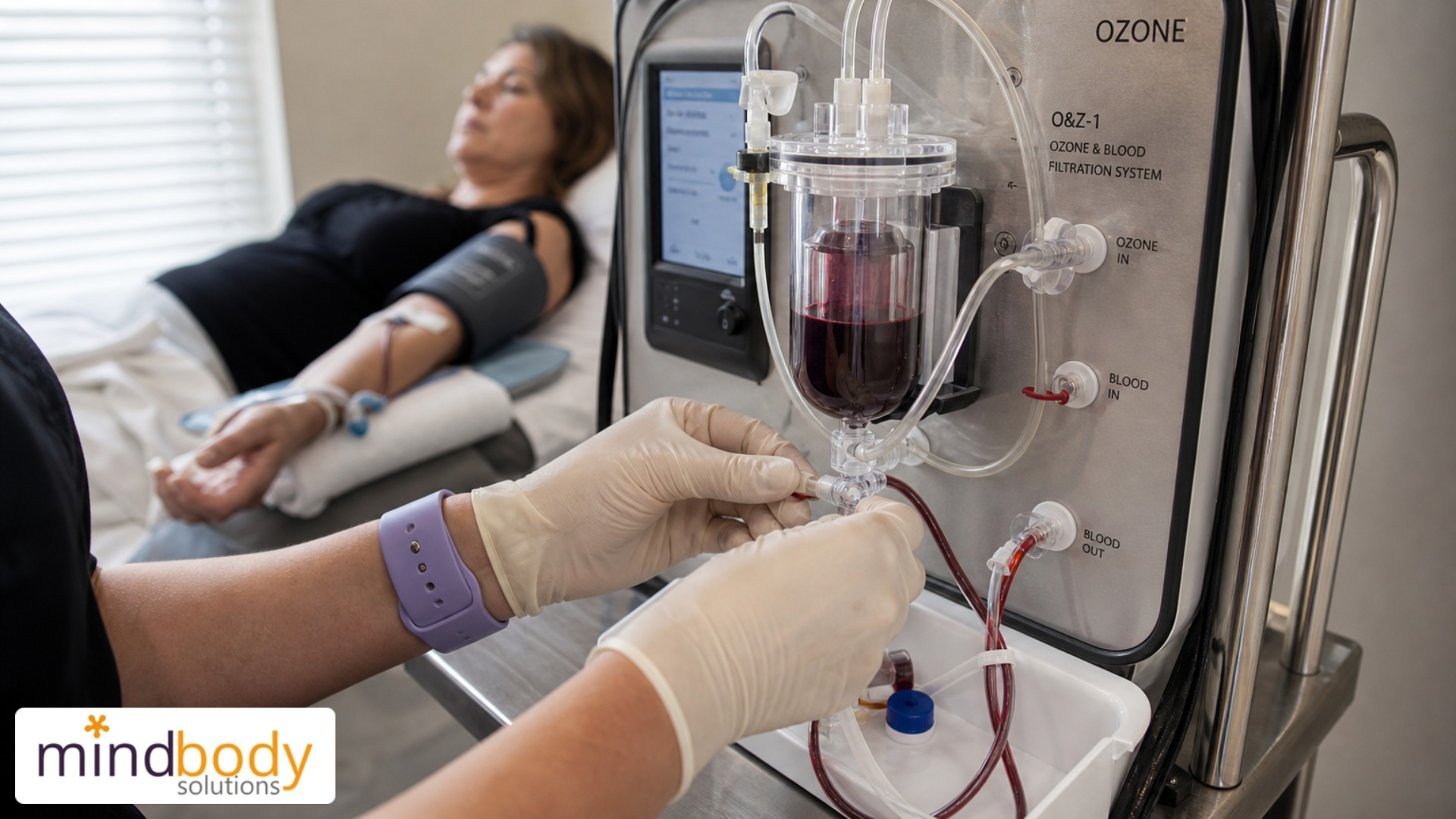
Reality: for patients with high inflammatory or infectious burden, EBOO treatment and ozone therapy support detox and immune recovery in ways medication alone cannot. These therapies aren't replacements for thyroid hormone, they're tools that help the body use it better.
EBOO (extracorporeal blood oxygenation and ozonation), sometimes called EBO2 therapy or EBOO blood treatment, filters and oxygenates the blood outside the body before returning it, supporting detoxification and circulation. Ozone injections and ozone blood treatment work similarly on a smaller scale, while UBI blood irradiation (ultraviolet blood irradiation) targets pathogens and immune modulation directly. For patients managing chronic infection, autoimmune flares, or unresolved inflammation despite "normal" thyroid labs, these therapies address contributors that a prescription pad simply doesn't reach.
What Does a True Whole Health Approach Look Like?
A genuine whole health and wellness approach evaluates thyroid function as one piece of an interconnected system, not the entire picture. Think of it like the Whole Health Wheel: thyroid, adrenal, gut, immune, and nervous system function all sit on connected spokes, and a problem on one spoke pulls on the others.
The American Thyroid Association on weight notes that realistic weight expectations after treatment depend on far more than hormone dosing alone, reinforcing why a functional medicine workup at our Webster clinic includes gut testing, food sensitivity panels, cortisol mapping, and inflammatory markers alongside standard thyroid labs. This is the whole health model our patients from Houston, Webster, and the greater Clear Lake integrative medicine community come to us for: a full-system evaluation instead of a single prescription.
Conclusion
Thyroid medication is a critical piece of treatment, but it was never designed to fix fatigue, mental fog, hidden allergens, or gut-driven inflammation on its own. When those root causes go unaddressed, patients stay stuck feeling only partially better despite "normal" labs. Mind And Body Solutions in Webster, TX combines functional and integrative medicine, including EBOO therapy, ozone therapy, and comprehensive lab workups, to find what's actually driving your symptoms. Call us at 1-281-616-3816, email info@nutrition-houston.com, or visit nutrition-houston.com to schedule a consultation and start addressing the whole picture, not just the number on your lab report.
Frequently Asked Questions
What's the difference between EBOO therapy and regular ozone injections?
EBOO (extracorporeal blood oxygenation and ozonation) filters and oxygenates a larger volume of blood outside the body before returning it, making it a more comprehensive detoxification and circulation treatment. Ozone injections and standard ozone blood treatment work on a smaller scale and are often used for more targeted or maintenance support. Both aim to reduce inflammatory and infectious burden, but EBOO is generally reserved for patients with higher inflammatory loads.
How do I know if my fatigue is from my thyroid dose or from something else like chemical imbalance?
If fatigue and mental fog persist after your levothyroxine dose has been optimized and your TSH looks "normal," the cause is likely outside the thyroid itself, such as neurotransmitter imbalance, blood sugar swings, or unresolved gut inflammation. Functional medicine testing evaluates brain integration, meaning how well the gut, immune, and nervous systems communicate, to isolate the actual driver rather than assuming it's dosing. This typically requires lab work beyond standard thyroid panels, including cortisol and inflammatory markers.
Should I ask my endocrinologist for the same tests offered in a functional medicine workup?
You can ask, but standard endocrinology visits typically don't screen for thyroid antibodies, cortisol rhythm, food sensitivities, or gut permeability the way a functional medicine workup does. Endocrinologists focus primarily on hormone dosing and TSH normalization, which is appropriately narrow for their scope. A whole health evaluation is designed to look at the interconnected spokes, gut, immune, adrenal, and nervous system, that standard thyroid care doesn't typically include.
What does a functional medicine workup for thyroid symptoms cost at Mind And Body Solutions?
Pricing depends on which labs and therapies are included, since a workup may involve gut testing, food sensitivity panels, cortisol mapping, and inflammatory markers alongside standard thyroid labs. Because the panel is customized to each patient's symptoms and history, the best way to get an accurate cost is to call 1-281-616-3816 or email info@nutrition-houston.com to discuss your specific situation. The clinic is located in Webster, TX and serves patients from Houston and the greater Clear Lake area.
If chronic infections can cause weight gain, how would I know if that's contributing to my thyroid belly fat?
Chronic low-grade infections trigger inflammatory cytokines that promote fat storage and worsen insulin resistance, but this connection isn't visible on a standard thyroid panel. It typically requires targeted inflammatory marker testing and a clinical history review to identify, which is why functional medicine workups screen for infection alongside cortisol and insulin resistance. If your abdominal weight hasn't responded to thyroid medication alone, that combination of factors is worth investigating rather than assuming the thyroid is solely responsible.