Guide to Ozone Injections for Autoimmune Flare Patients

Ozone injections are a form of complementary therapy in which medical-grade ozone gas, mixed with pharmaceutical oxygen, is introduced into the body through small injections or through a treated blood sample that is reinfused, with the goal of calming inflammation and supporting immune regulation during autoimmune flares. For patients managing conditions like rheumatoid arthritis, lupus, or multiple sclerosis, this guide explains how the therapy works, what a session actually involves, and how it fits alongside conventional autoimmune care.
This guide is written for adults in the Houston and Webster, Texas area who are living with an autoimmune condition and want a clear, evidence-informed look at ozone injections before booking an appointment. It is especially useful for patients who feel like conventional medicine has only addressed symptoms rather than root causes, and for anyone who has already searched terms like "ozone injections near me" or "ozone therapy near me" and wants real answers before making a decision.
What this guide covers:
- What ozone injections are and how the therapy is administered
- Why autoimmune flare patients specifically consider ozone treatment
- What a typical appointment looks like from start to finish
- Risks, side effects, and honest limitations of the research
- Common mistakes patients make when researching this therapy
- How ozone therapy fits into a broader functional medicine plan at Mind And Body Solutions in Webster, TX
- Advanced tips for getting the most benefit during an active flare
What Are Ozone Injections and How Do They Work?
Ozone injections deliver a controlled ozone-oxygen gas mixture into the body, either directly into tissue, joints, or the bloodstream, with the aim of triggering a mild oxidative response that can stimulate antioxidant enzyme production and modulate immune activity. The underlying idea is that a carefully dosed, short-lived oxidative stress signal can "reset" an overactive immune response rather than suppress it outright, which is part of why practitioners frame it as a complementary option for autoimmune flares rather than a standalone cure.
Medical-grade ozone is not the same as the ozone found in air pollution or industrial use. It is generated fresh at the time of treatment by a specialized ozone therapy machine that mixes pharmaceutical-grade oxygen with ozone gas in precise, low concentrations. Reputable practices follow dosing protocols set out by organizations such as the International Scientific Committee of Ozone Therapy (ISCO3), which publishes guidelines on safe concentration ranges and administration routes.
How Is Ozone Therapy Administered?
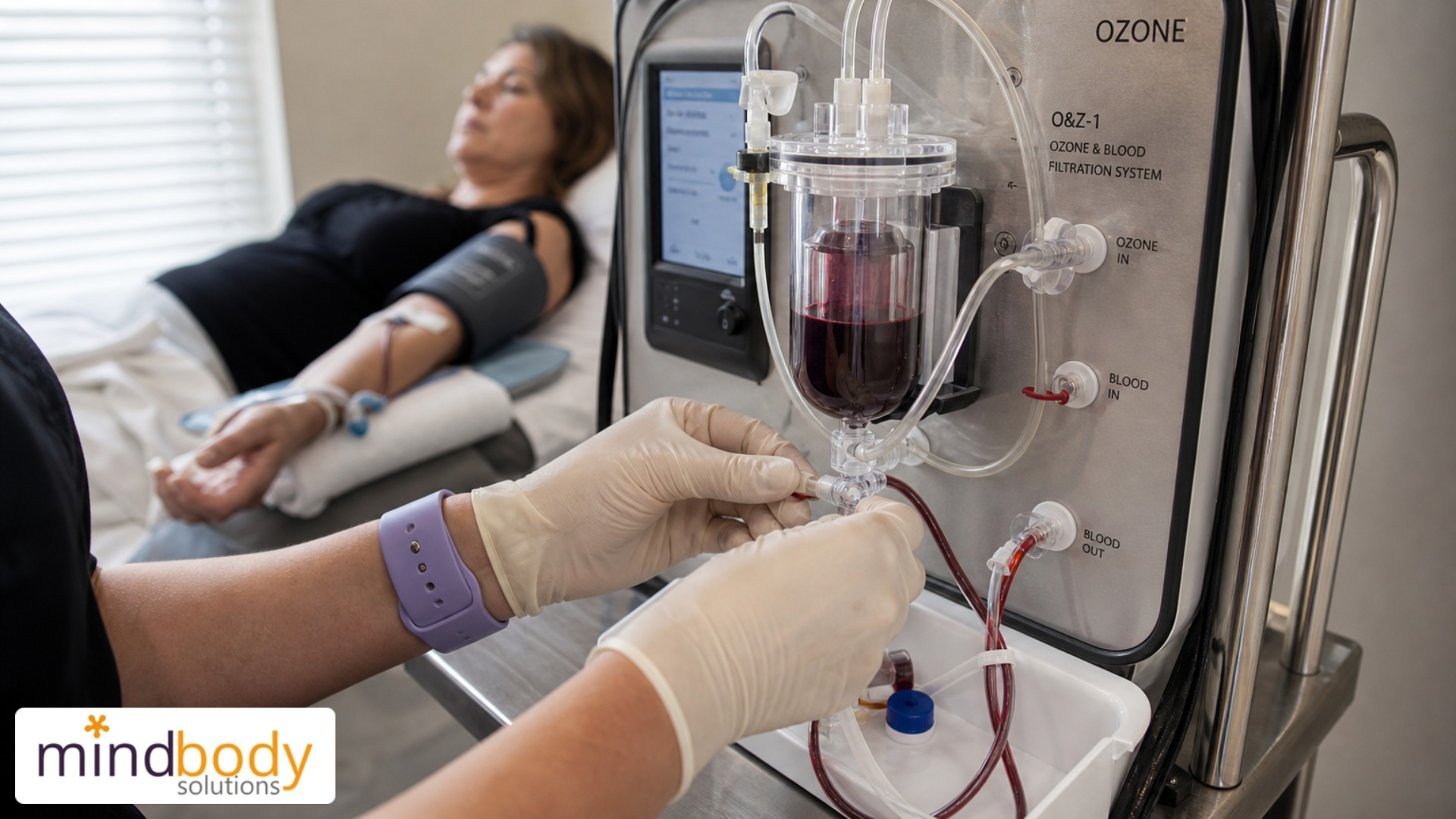
Ozone therapy is most commonly administered through major autohemotherapy, where a small amount of the patient's own blood, typically drawn into a sterile bag, is mixed with the ozone-oxygen gas and then reinfused intravenously over roughly 20 to 30 minutes. Other administration routes include minor autohemotherapy (a smaller blood sample injected intramuscularly), direct joint injections for localized pain, and ozonated saline for systemic effects. The Cleveland Clinic ozone overview describes these delivery methods in more detail, along with the therapy's current regulatory status, which is worth reading if you want a hospital-system perspective before your first visit.
Why Do Autoimmune Flare Patients Consider Ozone Injections?
Autoimmune patients consider ozone injections because standard medications like corticosteroids and immunosuppressants can control flares but often come with long-term side effects, and many patients want an additional tool aimed at the underlying inflammatory pattern rather than symptom suppression alone. This is a major theme among our patients at Mind And Body Solutions, particularly those aged 45 to 65 in the Webster and greater Houston area who are managing autoimmune conditions alongside chronic fatigue or thyroid dysfunction.
The appeal is not that ozone replaces conventional treatment. It is that, for select patients, it may reduce the frequency or severity of flares when layered into a broader functional medicine plan that also addresses gut health, hormonal balance, and nutrient status.
What Does the Research Say About Ozone and Autoimmune Conditions?
The research on ozone therapy benefits for autoimmune conditions is still developing, but several peer-reviewed studies point to measurable immune changes. The PubMed autoimmune ozone study examined Th17 cell frequency and function in multiple sclerosis patients undergoing ozone autohemotherapy, finding shifts in this specific immune cell population that plays a role in autoimmune flare activity.
Separately, the NIH rheumatoid arthritis research reviewed how medical ozone appeared to increase the anti-inflammatory effects of methotrexate, a standard RA medication, suggesting ozone may work as a complementary addition rather than a replacement for existing drug protocols. These findings are early and involve limited patient populations, so we present them to patients as promising supporting evidence, not proof of a cure, and we always recommend discussing this research with your treating rheumatologist or neurologist.
What Happens During an Ozone Injection Appointment?
An ozone injection appointment typically starts with a review of your current flare symptoms and medication list, followed by either a blood draw for autohemotherapy or direct preparation for a localized joint injection, and the full visit generally takes 30 to 45 minutes from start to finish. Patients are monitored throughout, and most describe the sensation as mild warmth or pressure rather than significant pain.
At Mind And Body Solutions, every ozone protocol is built around your specific autoimmune history and current lab work rather than a one-size-fits-all schedule. This matters because a patient in an active lupus flare needs a different approach than someone with stable, well-controlled rheumatoid arthritis.
Ozone Injections for Pain vs Autoimmune Flare Support
Ozone injections for pain, such as direct joint injections for osteoarthritis or a flaring RA joint, target localized inflammation and are usually delivered in a series of 3 to 6 sessions spaced one to two weeks apart. Systemic ozone therapy for autoimmune flare support, by contrast, typically uses major autohemotherapy in a longer course, often 8 to 10 sessions given two to three times per week initially, because the goal is broader immune modulation rather than one joint or area.
Both approaches can be used together in patients who have both systemic autoimmune activity and a specific painful joint, which is a common combination we see in Webster-area patients managing longstanding rheumatoid arthritis.
What Are the Risks and Side Effects of Ozone Therapy?
The most common side effects of ozone therapy are mild and short-lived, including temporary fatigue, slight bruising at the injection or blood draw site, and a brief flu-like feeling in the hours following treatment. Rare but more serious risks include infection at the injection site if sterile technique is not followed, or an allergic-type reaction to the ozone itself, which is why treatment should only be performed by a trained clinical team using medical-grade equipment.
It is worth being direct here: ozone therapy is not FDA-approved for treating any specific disease, a point the Cleveland Clinic ozone overview makes clearly. Reputable clinics, including ours, present it as an adjunctive, complementary therapy within a broader treatment plan, not as a replacement for prescribed autoimmune medications or physician-directed care. Patients with G6PD deficiency, active hyperthyroidism, or a history of severe bleeding disorders typically need additional screening or may not be candidates, which is why a thorough intake and lab review always comes before treatment.
What Common Mistakes Do Patients Make When Researching Ozone Injections Near Me?
The most common mistake patients make is stopping prescribed autoimmune medication on their own before starting ozone therapy, which can trigger a severe flare and undo months of stability. Ozone injections should be added to a coordinated care plan, not used as a reason to abandon a rheumatologist's protocol without medical supervision.
A second common mistake is choosing a provider based on price alone when searching "ozone therapy near me," without confirming that the clinic uses a certified medical ozone therapy machine, follows ISCO3 dosing standards, and has staff trained specifically in autohemotherapy technique. Improperly dosed ozone or non-sterile equipment is where most reported complications originate.
A third mistake is relying entirely on anecdotal sources. Patient forums, including ozone injections Reddit threads, can offer useful firsthand perspective on what a session feels like, but they are not a substitute for reviewing your specific autoimmune diagnosis and lab markers with a qualified functional medicine provider. Use forums for context, not for dosing or treatment decisions.
How Does Ozone Therapy Fit Into a Functional Medicine Plan at Mind And Body Solutions?
At Mind And Body Solutions, ozone therapy is one tool within a larger functional medicine framework built to identify and address the root causes behind autoimmune flares, not just the flare itself. Our team, based at 210 Genesis Blvd, Suite C in Webster, TX, has worked with thousands of patients across the greater Houston area managing autoimmune disease, thyroid disorders, and chronic fatigue, and we see repeatedly that flares rarely have a single cause.
Before recommending ozone injections, we typically run comprehensive lab panels to evaluate gut permeability, nutrient deficiencies, hormonal balance, and inflammatory markers, because a flare driven by an undiagnosed gut infection needs a different long-term strategy than one driven by chronic stress or hormonal shifts common in perimenopause. This is a meaningful difference from practices that offer ozone as a standalone service; we build it into a plan alongside nutrition, targeted supplementation, and lifestyle changes designed for your specific case.
If you are comparing providers, ask any Houston-area clinic how they integrate ozone therapy with the rest of your care, not just whether they offer it. That question alone tells you a great deal about whether you are getting isolated treatments or a coordinated healing strategy.
Advanced Tips for Getting the Most From Ozone Therapy During a Flare
Getting the most benefit from ozone injections during an autoimmune flare depends on timing, hydration, and coordination with your existing medications, not just the number of sessions completed. Patients who track their symptoms daily during a treatment course give our team far more useful data for adjusting the protocol in real time.
Practical Steps That Improve Outcomes
- Stay well hydrated in the 24 hours before and after each session to support your body's processing of the treated blood or tissue.
- Avoid scheduling ozone sessions on the same day as intense exercise or other physically demanding treatments.
- Keep a simple daily symptom log (pain level, fatigue, joint swelling) so your provider can adjust session frequency based on real data, not memory.
- Continue all prescribed autoimmune medications unless your treating physician specifically advises a change.
- Ask your provider whether major autohemotherapy or a localized joint injection best matches your current flare pattern, since the two serve different purposes.
Patients who see the most consistent results tend to commit to a full initial course, often 8 to 10 sessions, rather than stopping after one or two visits and judging the therapy prematurely. Autoimmune conditions are chronic and cyclical, so ozone therapy is best evaluated over a full treatment course alongside lab-tracked markers, not a single appointment.
Conclusion: Is Ozone Therapy Right for Your Autoimmune Flare?
Ozone injections can be a reasonable complementary option for autoimmune flare patients when they are administered by trained clinicians using medical-grade equipment and integrated into a broader care plan rather than used in isolation. The current research, including the PubMed autoimmune ozone study on MS patients and the NIH rheumatoid arthritis research on methotrexate response, shows promising immune-modulating effects, though it is not yet large-scale or conclusive enough to call ozone therapy a proven treatment on its own.
Before you book a session, use this checklist:
- Confirm the clinic uses a certified ozone therapy machine and follows ISCO3 dosing standards.
- Ask how ozone injections will be coordinated with your current autoimmune medications.
- Request a full intake including relevant lab work before treatment begins, not just a same-day injection.
- Clarify whether you need major autohemotherapy, a localized joint injection, or both based on your specific flare pattern.
- Commit to tracking symptoms across a full treatment course rather than judging results after one visit.
At Mind And Body Solutions in Webster, TX, our functional and integrative medicine team has spent years helping Houston-area patients uncover the root causes behind autoimmune flares, chronic fatigue, and hormonal imbalance, and we can walk you through whether ozone injections make sense alongside your current treatment plan. Call us at 1 281-616-3816, email info@nutrition-houston.com, or visit nutrition-houston.com to schedule a consultation and get a personalized evaluation before your next flare takes hold.
Frequently Asked Questions
What's the difference between major and minor autohemotherapy for ozone treatment?
Major autohemotherapy involves drawing blood into a sterile bag, mixing it with the ozone-oxygen gas, and reinfusing it intravenously over about 20 to 30 minutes, making it suited for systemic immune modulation during a flare. Minor autohemotherapy uses a smaller blood sample that is treated and then injected intramuscularly, which is a different route with a more limited systemic effect. Your provider chooses between them based on whether the goal is broad immune regulation or a more targeted response.
How many ozone sessions are typically needed before a rheumatoid arthritis or lupus flare improves?
Systemic autohemotherapy for autoimmune flare support is generally given in a longer course, often 8 to 10 sessions delivered two to three times per week initially, since the target is overall immune modulation rather than a single joint. Localized joint injections for pain follow a shorter series, usually 3 to 6 sessions spaced one to two weeks apart. The exact schedule is adjusted based on your specific autoimmune history, current lab work, and how your symptoms respond during treatment.
Should I choose direct joint ozone injections or systemic autohemotherapy for my flare pattern?
Localized joint injections make sense when pain and inflammation are concentrated in a specific area, such as a single flaring RA joint or osteoarthritis, while systemic autohemotherapy is aimed at broader immune activity affecting the whole body. Many patients with longstanding rheumatoid arthritis actually benefit from both approaches used together, addressing systemic disease activity and a specific painful joint at the same time. This decision should be made with your provider after reviewing your current flare pattern, not chosen independently.
Where can I get ozone injections for autoimmune flares near Houston, and what should I check before booking?
Mind And Body Solutions offers ozone therapy for autoimmune flare patients at 210 Genesis Blvd, Suite C in Webster, TX, serving patients throughout the greater Houston area. Before booking with any clinic, confirm they use a certified medical ozone therapy machine, follow ISCO3 dosing standards, and have staff specifically trained in autohemotherapy technique, since improperly dosed ozone or non-sterile equipment is where most complications originate. Choosing a provider on price alone, without verifying these standards, is one of the most common mistakes patients make.
Can I stop taking my rheumatologist-prescribed medications once I start ozone therapy?
No. Stopping prescribed autoimmune medication on your own before or during ozone therapy is one of the most common and dangerous mistakes patients make, and it can trigger a severe flare that undoes months of stability. Ozone injections are designed to be added to a coordinated care plan alongside your existing treatment, not used as a substitute for it. Any changes to your medication protocol should only happen under the direction of your treating rheumatologist or neurologist.